
Siding Replacement & Installation in Denver
New siding is a big project. Make sure it’s the right project first.
Damaged or aging siding doesn’t always mean starting over. ImproveSource helps Denver-area homeowners understand what is happening with their exterior, whether a repair or larger replacement makes sense, and which siding options fit the home, budget and plans for the property.
If replacement is the right direction, we can help you compare materials, define the project and coordinate professional installation. If the problem is more limited, we can look at that first.
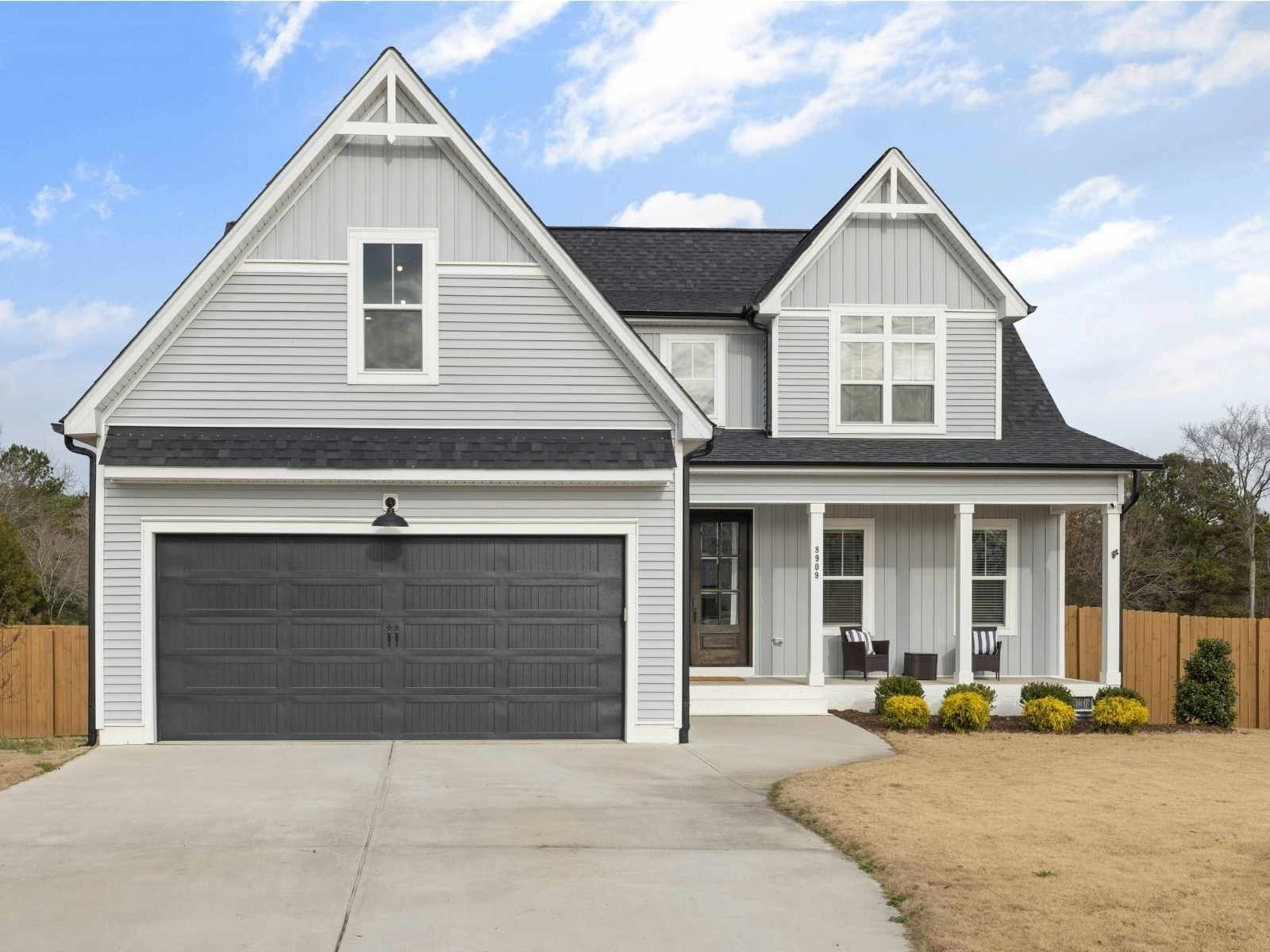
Signs Your Siding Needs Attention
Some siding problems are obvious. Others show up gradually. What matters is not just what you can see, but whether the problem is limited to one area or happening across the exterior.
Cracked or Broken Siding
A few damaged pieces may be a localized problem. Cracks, breaks or damage appearing in several areas deserve a closer look at the overall condition of the siding.
Loose or Missing Siding
Wind, weather, age and previous installation can all leave sections loose or missing. One area may be repairable; repeated problems can be a reason to look more closely at the exterior as a whole.
Hail or Storm Damage
Hail is a fact of life along the Front Range. Damage can vary considerably depending on the storm, the side of the house, the siding material and the particular product. After a significant storm, the question is how much of the exterior was affected, whether the damage is isolated or widespread, and whether an insurance claim is part of the project.
Deterioration Across the Exterior
When siding is showing its age in multiple areas, continuing to repair individual sections may become less practical. That is a good time to compare continued repairs with partial or full replacement.
Repairs Keep Adding Up
One repair does not mean you need new siding. A pattern of repairs is different. If new trouble spots continue to appear, it may make sense to look at the remaining life and condition of the existing exterior before paying for another isolated fix.
You’re Ready to Change the Exterior
Siding does not have to fail before it can be replaced. It may also be part of updating an older exterior, changing the architectural look of the house, or coordinating siding with new windows, doors, trim or other improvements.
Do You Need Siding Repair or Full Replacement?
Finding damaged siding is one thing. Deciding how much of it needs to come off is another.
If damage is confined to a relatively small area and the surrounding siding is still performing well, a targeted repair may make sense. One practical consideration is whether compatible material can still be found. Older siding can be difficult to match in profile, texture or color, even when the damaged area itself is small.
Replacement becomes more worth considering when damage or deterioration is widespread, problems keep returning, matching the existing material becomes difficult, or several parts of the exterior need attention at the same time.
There can also be a middle ground. Some projects involve replacing one elevation or a larger section rather than re-siding the entire house.
ImproveSource starts by looking at the siding you have and what you are trying to solve. The size of the project should follow from what the house needs, rather than being decided before anyone looks at it.
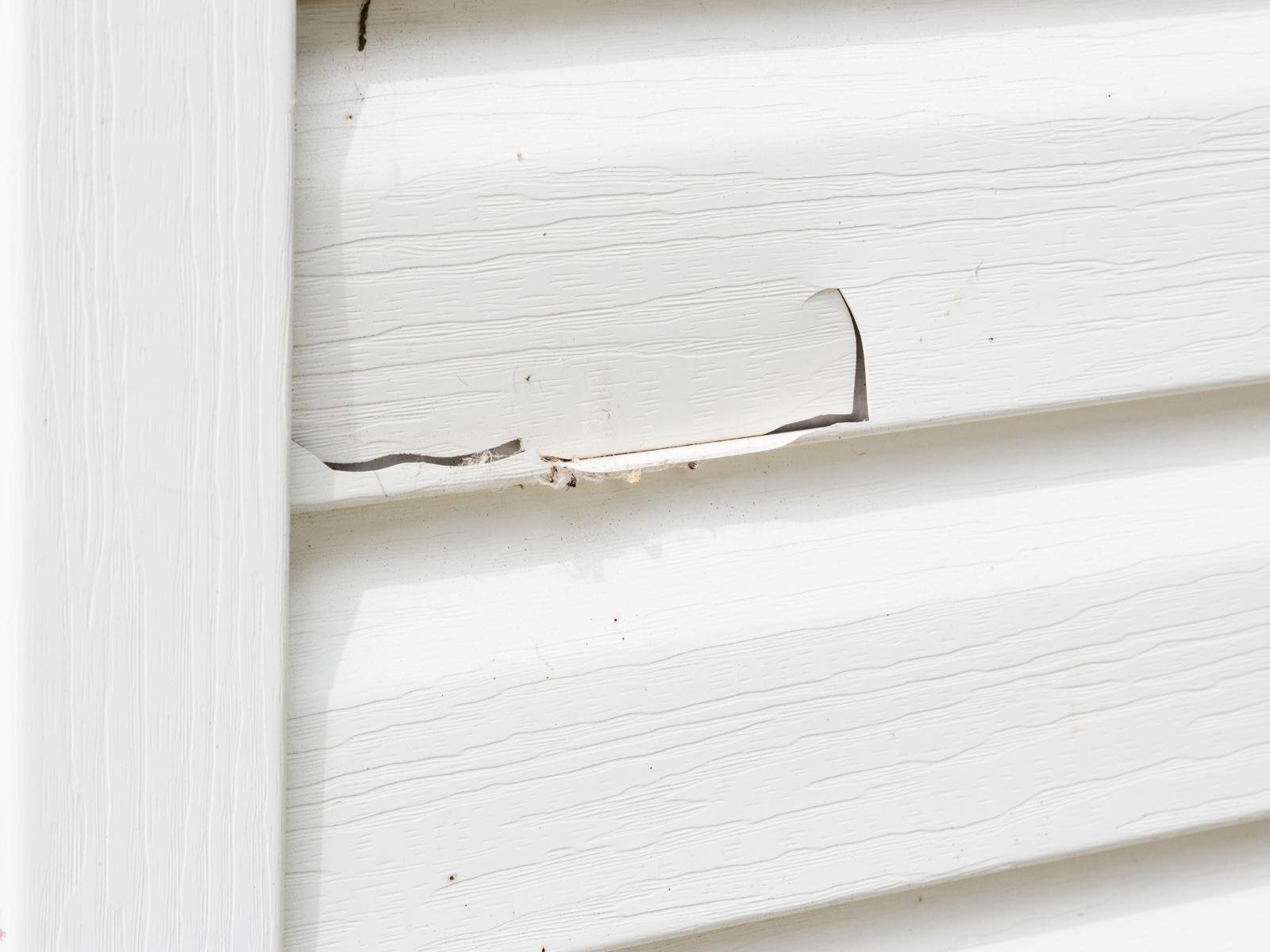
Hail Damage & Insurance Claims
If siding damage may be related to a recent hail or windstorm, insurance can become part of the project. Before repairs begin, it may be helpful to document the visible damage and understand what your insurance company needs to inspect or review.
An insurance claim does not necessarily mean the entire house will be re-sided. The scope can depend on where damage occurred, how much siding was affected, whether the existing material can be repaired or matched, and what your policy covers.
ImproveSource can evaluate the exterior, help identify the siding work involved and provide information about the proposed repair or replacement scope. Coverage decisions, deductibles and claim payments are determined by the insurance company and the homeowner's policy.
If you already have an insurance estimate or approved scope, bring it with you. We can review the siding work included and compare it with what we see at the property.
Choosing Siding for a Denver Home
Siding has to do more than look good in Colorado. Sun, snow, wind, hail and large changes in temperature are all part of life along the Front Range.
There is no single siding material that makes sense for every house. Upfront cost matters, but so do maintenance, appearance, impact performance, installation requirements and how you expect the exterior to age.
Three options Denver homeowners commonly consider are vinyl, fiber cement and engineered wood.
Vinyl Siding
Vinyl siding is popular for good reasons. It offers a wide range of colors and profiles, requires relatively little ongoing maintenance and can provide a complete exterior update at a lower project cost than many other siding materials. Because the color is part of the material, it also eliminates the need for routine painting.
There can be meaningful differences between vinyl siding products. Thickness, rigidity, construction, impact resistance, wind ratings and finish vary by manufacturer and product line. In Colorado, those differences are worth considering alongside the style and color of the siding.
Temperature is one reason installation matters. Vinyl naturally expands and contracts as temperatures change, and the siding system is designed to allow for that movement. Proper fastening and installation help the siding perform as intended through Colorado’s seasonal temperature changes.
Hail is another consideration along the Front Range. No siding material should be considered hail-proof, but vinyl products vary in their impact performance. For homes where hail exposure is a particular concern, the specifications of the products being considered can be part of the comparison.
For homeowners who value lower maintenance, a broad range of design choices and a more manageable project cost, vinyl can be an excellent fit. Other homeowners may prefer the appearance or characteristics of fiber cement or engineered wood.
The right choice comes down to the home, the product, the budget and what matters most to the homeowner.
Fiber Cement Siding
Fiber cement siding is made from a combination of cement, sand, cellulose fibers and water. It is formed into boards, panels and shingles that can create the appearance of painted wood siding without actually being wood.
Homeowners often consider fiber cement because of its substantial appearance and durability. It does not attract insects or rot like wood can, and it does not expand and contract with temperature changes to the same degree as vinyl. It is available in traditional lap siding as well as vertical panels, shingles and other profiles, making it adaptable to a wide range of home styles.
James Hardie is the best-known name many homeowners encounter when researching fiber cement, but it is not the only manufacturer. Other brands and product lines are available. It is worth comparing the actual products, finishes, warranties, installation requirements and costs rather than treating all fiber cement as the same product.
Fiber cement is heavier than vinyl and requires different handling, cutting and installation methods. That generally makes installation more labor-intensive and contributes to a higher overall project cost.
Finish is another consideration. Some fiber cement products are available with a factory-applied finish, while others are installed primed and painted. Unlike vinyl, a painted fiber cement exterior will eventually need repainting, so both the initial appearance and longer-term maintenance belong in the decision.
For homeowners who place a higher priority on a painted, substantial exterior appearance and are comfortable with a larger initial investment and some future finish maintenance, fiber cement can be an excellent option.
Engineered Wood Siding
Engineered wood siding is made from wood fibers or strands that are combined with resins and other treatments to create a more consistent and durable exterior product than traditional wood siding. It is designed to provide the warmth and texture of wood while addressing some of the maintenance and performance concerns associated with natural wood.
One of the advantages of engineered wood is its versatility. It is available in lap siding, vertical panels, shakes and other profiles, with finishes that can work with traditional, Craftsman and more contemporary homes. Because it is lighter than fiber cement, it is also easier to handle and cut during installation.
LP SmartSide is one of the best-known engineered wood siding brands. Other manufacturers and product lines are available, and as with vinyl or fiber cement, it is worth comparing the specific product rather than making a decision based on the material category alone.
Impact performance can be particularly relevant in Colorado. Engineered wood has some flexibility rather than the more rigid composition of fiber cement, and certain products are specifically tested and rated for impact resistance. For a Front Range home where hail is a concern, the specifications of the products being considered are worth reviewing.
Unlike vinyl, engineered wood typically has a painted or factory-finished surface. That provides a broad range of color choices and a painted-wood appearance, but the finish will require maintenance over the life of the siding. Proper installation and attention to manufacturer requirements around edges, clearances, flashing and moisture management are also important.
Engineered wood can be a good middle ground for homeowners who like the appearance of painted wood siding but want an alternative to natural wood or fiber cement. Cost, finish, impact performance, maintenance and the particular product warranty can all be considered alongside the home’s design and the conditions it will face.
You Don’t Need to Know Which Siding You Want Yet
If you already have a material or product in mind, we can start there. If you don’t, that is completely normal.
The useful comparison is not simply vinyl versus fiber cement versus engineered wood. It is which actual product gives you the combination of appearance, durability, maintenance and project cost that makes sense for your home.
ImproveSource can help you work through those choices before you commit to a material.
How ImproveSource Approaches a Siding Project
01 — Start With the Existing Exterior
We look at what is there now: visible damage, recurring trouble spots, the condition of the surrounding siding and any other exterior work you are considering.
02 — Figure Out How Much Work Makes Sense
The answer could be a repair, replacement of part of the exterior or a full siding replacement. We help define the project before you start choosing products.
03 — Compare the Options
Once the scope is clearer, we can compare siding materials, products, profiles and finishes in the context of the house, Colorado weather, maintenance expectations, appearance and budget.
04 — Coordinate the Work
ImproveSource coordinates the agreed siding project and professional installation, including related exterior work that is part of the project.
What to Expect During Siding Replacement
Siding replacement is a major exterior project, but it usually does not mean moving out of your house. What it does mean is several days or more of construction activity around the property, depending on the size and complexity of the job.
Here are some of the things homeowners commonly want to know before work begins.
How Long Does Siding Replacement Take?
There is not one timeline that applies to every house. Home size and design, siding material, how much existing material needs to be removed, crew size, weather and any conditions discovered after the old siding comes off can all affect the schedule.
A straightforward project may take several days. A larger or more complicated exterior can take longer. Once the house and project are defined, the expected schedule becomes much easier to estimate.
Can You Stay in Your House During Siding Replacement?
In most cases, yes. The work takes place primarily outside, so siding replacement generally does not require homeowners to move out.
You should expect noise and some vibration during working hours as siding is removed, materials are cut and new siding is fastened to the house. If you work from home or have children or pets that are sensitive to construction noise, it is worth planning around the busiest parts of the project.
It is also a good idea to secure pictures, mirrors or fragile objects hanging on exterior walls and move outdoor furniture, grills, planters and other items away from the work area.
What Happens When the Old Siding Comes Off?
This is one of the most important parts of a replacement project.
Removing old siding exposes portions of the exterior that may not have been visible for years. The condition of the sheathing, weather-resistant barrier, flashing and areas around windows and doors can be seen more clearly.
Sometimes everything underneath is in good condition. Sometimes removal reveals damage or evidence of previous water problems that should be addressed before new siding covers the wall again.
That uncertainty is one reason a siding project should distinguish between work that can be identified before construction and conditions that cannot reasonably be seen until the existing material is removed.
What If Something Unexpected Is Found?
If removing the siding exposes a condition that changes the work, you should understand what was found, why it matters and how it affects the project before additional work moves forward.
An unexpected condition does not automatically mean a major repair. It does mean there is an opportunity to address the issue while the wall is accessible instead of covering it again with new siding.
What About Colorado Weather?
Weather can change a construction schedule. Rain, snow, high winds and temperature requirements for particular materials or installation steps can affect when certain work can be completed.
The project should be sequenced so portions of the house that are opened during construction are appropriately protected. A weather delay may be inconvenient, but protecting the house and installing the siding under appropriate conditions matters more than forcing the work to meet an arbitrary date.
What Happens to Lights, Cameras, Downspouts and Other Items on the House?
Exterior walls are rarely just siding. Lights, cameras, house numbers, outlets, vents, hose connections, downspouts and other components may intersect with the areas being replaced.
Some may need to be temporarily removed or worked around and then reinstalled. Identifying these items before work begins makes it easier to account for them in the project rather than discovering them as the crew reaches each wall.
Installing and Finishing the New Siding
Vinyl, fiber cement and engineered wood are different materials with different installation requirements. Fastening, spacing, clearances, joints, flashing and transitions should follow the requirements of the siding system being installed.
Details around windows, doors, corners, trim and places where different exterior materials meet affect both the finished appearance and the performance of the exterior.
Once installation and finishing are complete, project debris and removed material should be cleaned up and the completed exterior reviewed.
The siding is what you see when the project is finished. What happens before and behind it matters too.
What Does Siding Replacement Cost in Denver?
There is not one useful price for siding replacement without knowing the house and the project.
A smaller home with a straightforward exterior and vinyl siding is a very different job from a larger, multi-story home using fiber cement or engineered wood with extensive trim and architectural details.
The amount of siding being replaced is only part of the equation.
Some of the biggest cost drivers include:
- The size and siding area of the home
- Whether the project is a repair, partial replacement or full replacement
- The siding material and specific product selected
- Removal and disposal of existing siding
- The number of stories and accessibility of the exterior
- Trim, corners and other exterior components included in the work
- Architectural complexity and transitions between materials
- Conditions discovered after the existing siding is removed
- Other exterior work being coordinated with the project
Product choice can also create significant differences within the same material category. Two vinyl products, for example, do not necessarily have the same material cost or performance specifications.
ImproveSource would rather look at the house, define what actually needs to be done and quote that project than put a generic price on the website that may have little relationship to your home.
Planning Siding With Other Exterior Improvements
Siding replacement is often a good time to think about other exterior projects you may be considering.
Windows, exterior doors, trim and siding physically meet in many of the same places on a house. If more than one of those projects is on your list, planning them together can help determine what should happen first, what work overlaps and whether it makes sense to coordinate portions of the projects.
The same is true when siding is part of a larger exterior update. Colors, siding profiles, trim, windows, doors and other materials all contribute to the finished appearance of the home.
You do not necessarily have to complete every exterior project at once. It is useful to know what you eventually want to change before completing work that could affect the next project.
Siding Replacement FAQs
How do I know whether my siding needs repair or replacement?
Start with how much of the exterior is affected and the condition of the siding around the damaged area. A limited problem may be repairable when the surrounding siding is still in good condition and compatible material is available. Widespread damage, recurring problems or siding that is difficult to match can make partial or full replacement more practical.
Can damaged siding be repaired without replacing the siding on the entire house?
Sometimes. A siding project does not have to be all-or-nothing. Depending on the material, condition and location of the damage, the appropriate project could be a targeted repair, replacement of a larger section or elevation, or full replacement.
What siding options are available for Denver homes?
Vinyl, fiber cement and engineered wood are three options worth comparing. Each has different characteristics involving cost, appearance, maintenance, installation and performance. Within each category, individual products can also vary considerably.
Is James Hardie a type of siding?
James Hardie is a manufacturer of fiber cement siding rather than a separate siding material. It is one of the best-known brands homeowners encounter when researching fiber cement. ImproveSource can source James Hardie products when they are appropriate for a project, along with other available siding options.
What is LP SmartSide?
LP SmartSide is a brand of engineered wood siding. Engineered wood is made differently from both fiber cement and vinyl and has its own characteristics involving appearance, weight, impact performance, finish and maintenance.
How long does siding replacement take?
It depends on the size and design of the house, material, amount of removal required, weather, project complexity and whether additional work is identified after the old siding comes off. Once the project is defined, a more useful schedule can be established.
Can I stay in my house while the siding is being replaced?
Usually, yes. Siding replacement is primarily exterior work. Homeowners should expect construction noise and vibration during working hours, but moving out is generally not necessary.
What happens if damage is found under the old siding?
The condition should be evaluated before it is covered with new siding. What needs to happen depends on what is found. Previously hidden conditions can affect the scope and cost, which is why they should be discussed before related additional work proceeds.
What affects the cost of siding replacement in Denver?
Home size, siding area, material and product selection, removal requirements, number of stories, accessibility, trim and architectural details, project complexity and previously hidden conditions can all affect cost. A partial replacement is also a very different project from re-siding an entire home.
Can siding replacement be coordinated with new windows or other exterior improvements?
Yes. Windows, doors, trim and siding intersect in many places on an exterior. If you are considering more than one project, looking at them together can help determine the appropriate sequence and identify work that may overlap.
Not Sure Whether You Need Siding Repair or Replacement?
You do not have to know the answer before you contact us.
Show us what is happening with the exterior and tell us what you are considering. ImproveSource can help you understand the condition, compare the options and determine what makes sense for the house.