
If you own a home, investment property, or multifamily building, the middle of the year is the perfect time to stop reacting and start planning.
By the time fall arrives, contractor schedules tighten, weather becomes...
Measuring windows incorrectly is one of the most common (and expensive) mistakes homeowners and property owners make during a replacement project.
Even small errors can lead to poor fit, air leaks, delays, or having to reorder entirely.
If you’re planning a window replacement, getting accurate measurements upfront can save you time, money, and frustration.
In this guide, we’ll walk you through exactly how to measure your windows the right way — so you can move forward with confidence.
Accurate measurements ensure:
Incorrect measurements are one of the most common reasons window replacement projects get delayed or require rework.
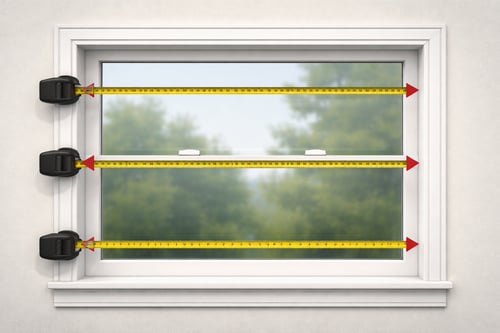
Measure the width of the window opening at three points:
👉 Always use the smallest measurement.
We measure windows every day — and we know exactly where mistakes happen.
If you want to be 100% confident before ordering or installing, we can handle the measurements for you.
👉 Schedule a window measurement
Measure height in three places: 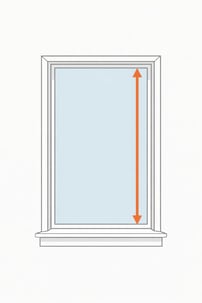
👉 Again, use the smallest measurement.
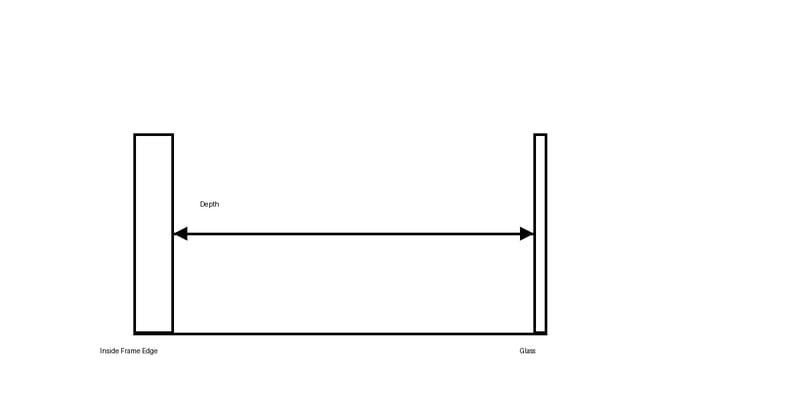
Measure how deep the window frame is—from the inside edge of the frame to the glass.
Most replacement windows require at least 3 1/4 inches of depth, but older homes and multifamily properties can vary.
Avoid these common issues:
These issues are especially common in older Denver homes and multifamily properties where openings may not be perfectly square.
Before ordering windows, it’s important to understand your options:
This is one of the most common — and most misunderstood — decisions property owners make.
The right decision isn’t just about cost — it’s about performance, efficiency, and long-term ROI.
While replacing glass can seem like a quick fix, the right approach depends heavily on the type and condition of your existing windows.
For newer vinyl windows, it’s sometimes possible to replace the insulated glass unit (glass pack) instead of the entire window.
This can be a good option when:
In many cases — especially with older properties — full window replacement delivers better long-term value.
This is often true when:
New windows can:
If your property has older wood windows or single-pane glass, full replacement is typically the better path.
In these cases, we often recommend working with a specialized glass provider if repair is the goal — or moving directly to a full window upgrade for better performance.
Measuring windows yourself is a great first step — especially if you’re planning a project or getting rough pricing. But there’s a difference between initial measurements and final measurements used for ordering windows.
Knowing when to handle it yourself — and when to bring in a professional — can help you avoid costly mistakes.
You can confidently measure windows yourself when:
👉 In these cases, your goal is to get close enough to make decisions, not place a final order.
It’s best to bring in a professional when:
Even small measurement errors can lead to:
👉 At this stage, accuracy matters — and professional measurements help eliminate risk.
Window replacement isn’t just about size — it’s about:
Getting measurements wrong at the ordering stage can delay your project and increase costs.
If you’re not sure your measurements are accurate — or you’re deciding between repair, retrofit, or full replacement — it’s worth getting a second opinion.
👉 Book a Property Review and we’ll help you confirm measurements, evaluate your windows, and plan your project the right way.
At ImproveSource, we work with homeowners, property managers, and real estate investors to:
Accurate measurements are the difference between a smooth installation and a costly mistake.
We’ll measure your windows, recommend the right fit, and give you a clear, no-surprise quote.