
Renovating an occupied multifamily property is not simply a construction project with residents nearby. It is an operating challenge involving homes, schedules, pets, access, materials, multiple trades and expectations that...
Renovating an occupied multifamily property is not simply a construction project with residents nearby. It is an operating challenge involving homes, schedules, pets, access, materials, multiple trades and expectations that change from unit to unit.
For owners and property managers, the quality of the coordination can matter as much as the quality of the installation. A strong plan reduces confusion, protects resident experience and keeps crews productive.
Decide what work can reasonably happen in occupied units
Not every renovation belongs in an occupied apartment. Start by separating work that can be completed safely and efficiently with residents in place from work better scheduled during vacancy.
Windows, certain lighting or fixture changes and limited interior improvements may be manageable while occupied. Larger demolition-heavy scopes may create too much disruption. The decision should consider duration, dust, noise, utilities, safety and how much of the unit remains usable.
Build the schedule around access, not just labor
A trade schedule can look perfect on paper and fail if crews cannot enter the units. Resident access must be treated as a project dependency.
Plan how notices will be delivered, how access will be confirmed, what happens when a resident cannot accommodate the original time and who is responsible for resolving day-of issues.
Resident communication needs a clear owner
Residents should know what work is happening, why access is needed, the expected timing and what they need to do before crews arrive. Property management typically controls formal resident communication, while the project team needs accurate daily access information.
Those two functions must stay aligned. A schedule change that never reaches residents can cost an entire crew hours of productivity.
Account for real resident schedules
Occupied properties include residents who work from home, work nights, have children, have pets or have mobility and access considerations. That does not mean every schedule can be customized, but the project plan should anticipate exceptions rather than discovering them at the door.
Having a process for rescheduling is more effective than improvising every missed unit.
Sequence trades carefully
Multi-trade renovations require more than putting contractors on a calendar. One trade's completion may determine whether the next can start. Materials must be available at the right time, and completed work needs protection from subsequent crews.
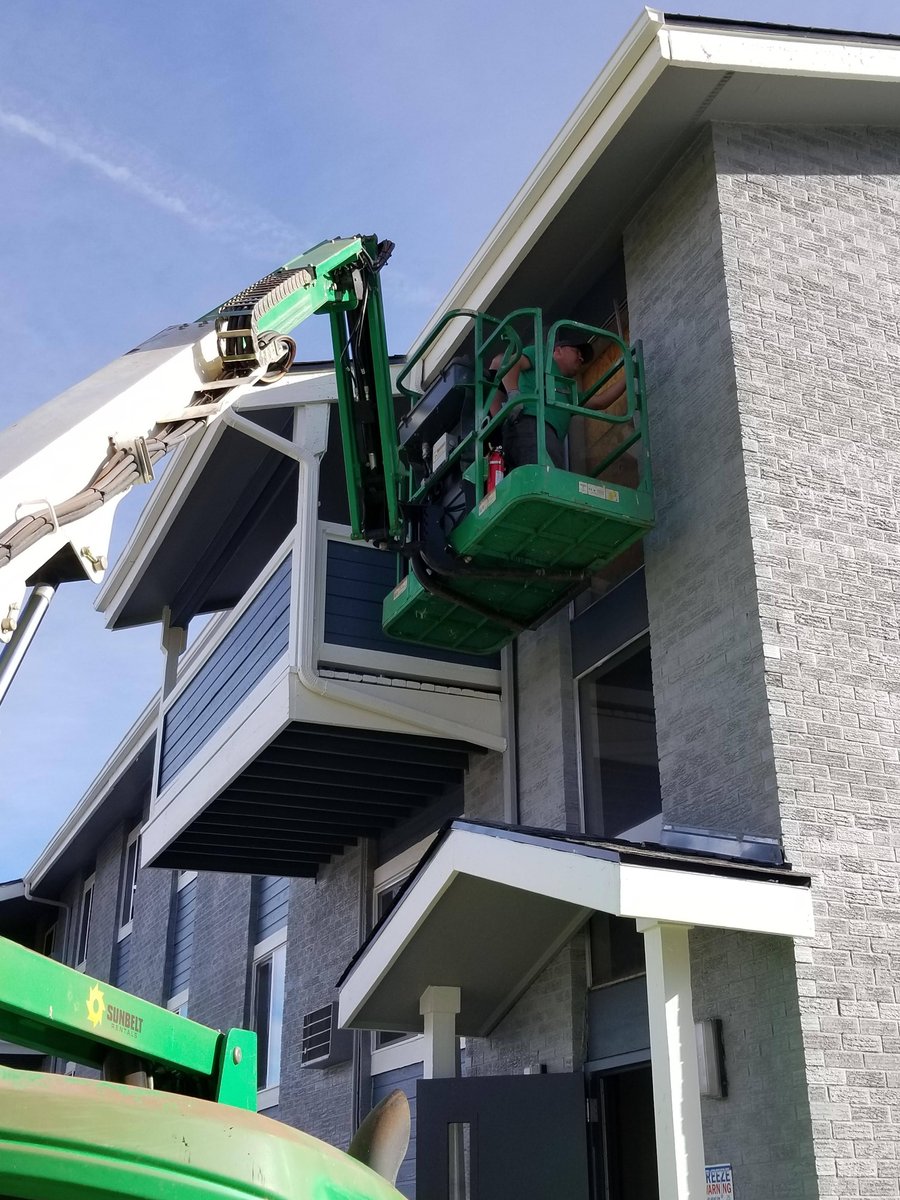
For repeated unit scopes, establish the sequence once, test it and improve it before rolling it across the property.
Plan material staging and movement
Large multifamily projects can involve hundreds of windows, flooring quantities, fixtures, doors or other materials. Where those materials arrive, how they are stored and how they reach individual units affects the schedule.
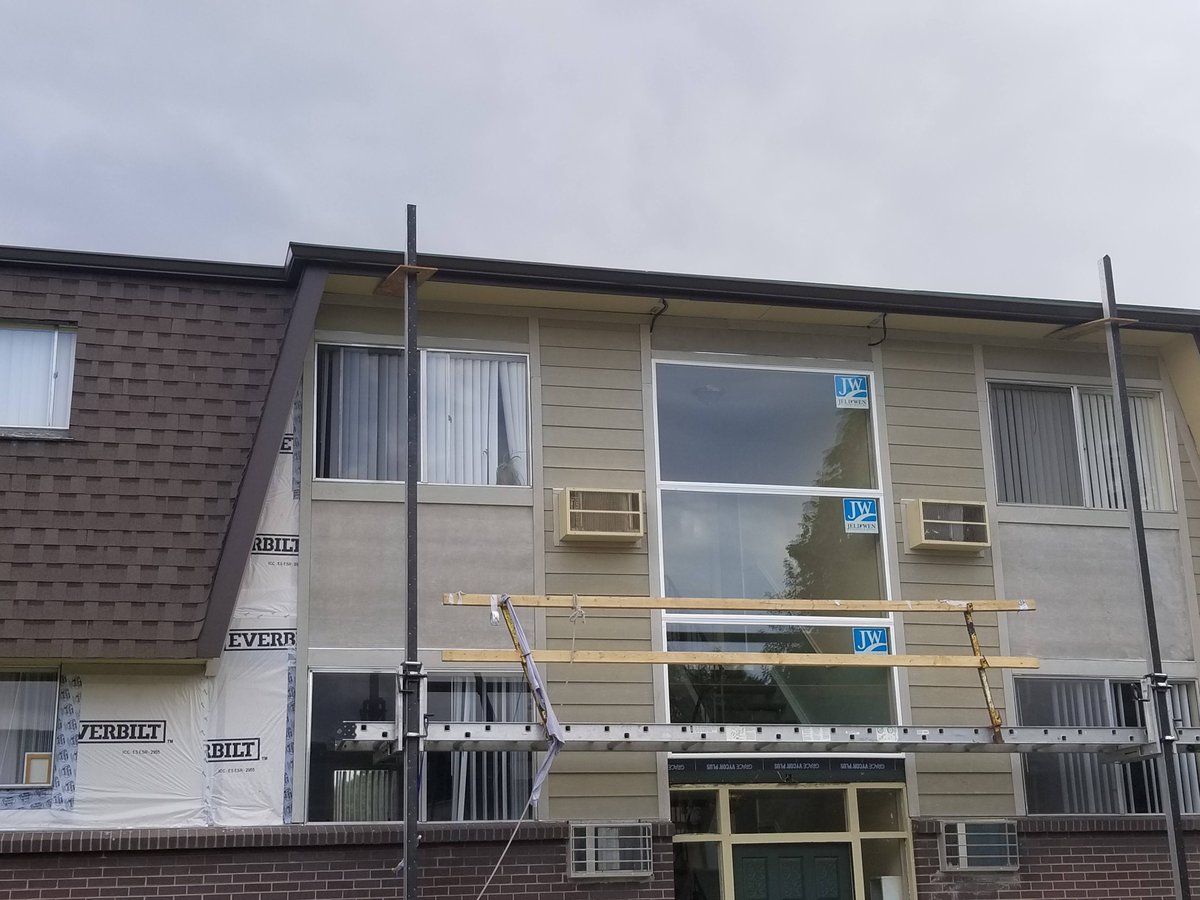
Staging should also respect resident parking, common areas, emergency access and normal property operations.
Protect common areas and occupied homes
Crews may move repeatedly through hallways, stairs, elevators and entries. Protection, cleanup and debris removal should be part of the scope rather than an afterthought.
Inside units, define what residents need to move and what the crew will protect. Clear expectations reduce both damage risk and disputes.
Use daily schedules that can actually be managed
A property-wide project needs a practical daily plan: which units, which crews, which materials and what completion target. Overloading the schedule can create a cascade of missed appointments. Under-planning can leave crews waiting.
The best schedule is detailed enough to manage but flexible enough to respond when access or field conditions change.
Check completion before moving on
Repeated work can create repeated defects if the first few units are not reviewed carefully. Establish the expected finished condition and inspect completed work throughout the project.
Track incomplete items, access issues and callbacks so they do not disappear as crews move to another building.
Occupied renovations vs. vacant-unit renovations
Vacant units offer more freedom to complete kitchens, baths, flooring, painting, drywall, doors and lighting without coordinating around a resident's daily life. When possible, larger scopes can be tied to natural vacancy.
But property-wide capital projects cannot always wait for turnover. Windows, exterior improvements and other building-wide work often require an occupied-property plan.
One point of coordination can simplify the project
When ownership, property management, suppliers and multiple trades are all communicating separately, small problems can become schedule problems quickly. A central point of coordination can connect scope, materials, access, sequencing and completion.
ImproveSource works with multifamily owners, operators and property managers across Denver and the Front Range to manage property improvements from scope through completion.
Planning work at an occupied property? Talk with ImproveSource about the scope, resident-access requirements and project schedule.