
- Understand What’s Happening. Tell us what you’ve experienced, what you’ve already been told and what information you have.
- Inspect or Review the Line. We can perform or coordinate a sewer scope/camera inspection or review existing footage.
- Understand Your Options. Evaluate the condition of the line and whether repair or replacement is appropriate.
- Decide How to Move Forward. Understand the recommended scope and price before committing to the work.
Sewer Line Repair & Replacement in Denver
A sewer problem doesn’t automatically mean you need a full replacement.
ImproveSource helps Denver-area homeowners and property owners investigate sewer line problems, understand repair and replacement options, and get necessary work completed through qualified sewer and excavation trade partners.
From reviewing existing camera footage to defining a repair or replacement scope, we help you understand what the project involves before you commit.
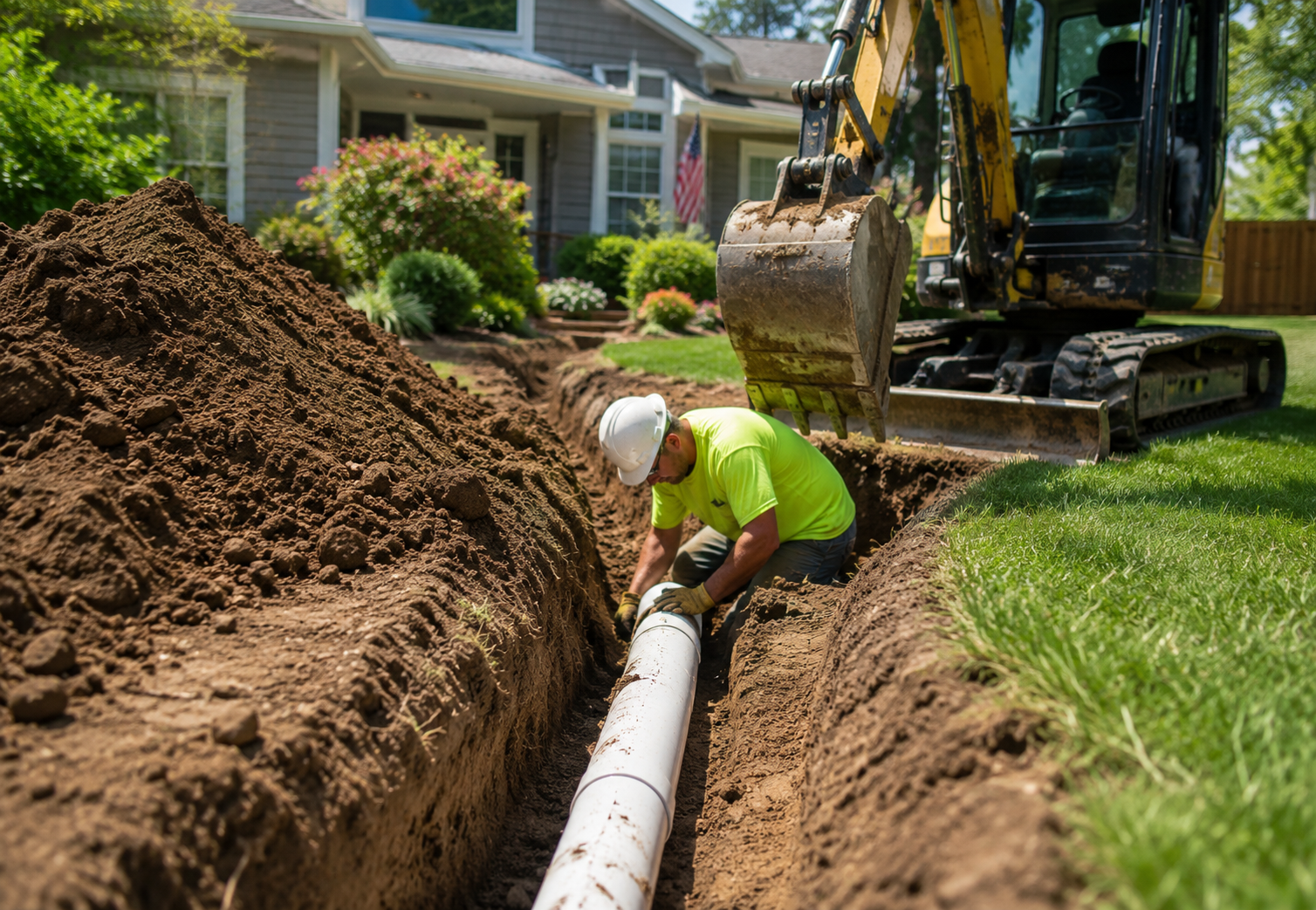
Before You Replace Your Sewer Line, Understand the Problem
If you’ve been told your sewer line needs replacement, or you’re dealing with recurring backups or drainage problems, begin by understanding the condition of the line.
ImproveSource can arrange a sewer scope/camera inspection through a qualified provider or review footage and reports you already have. That information helps determine whether targeted repair, replacement or further investigation is appropriate.
Already have sewer camera footage? Share what you have so we can discuss the next step without automatically repeating the inspection.
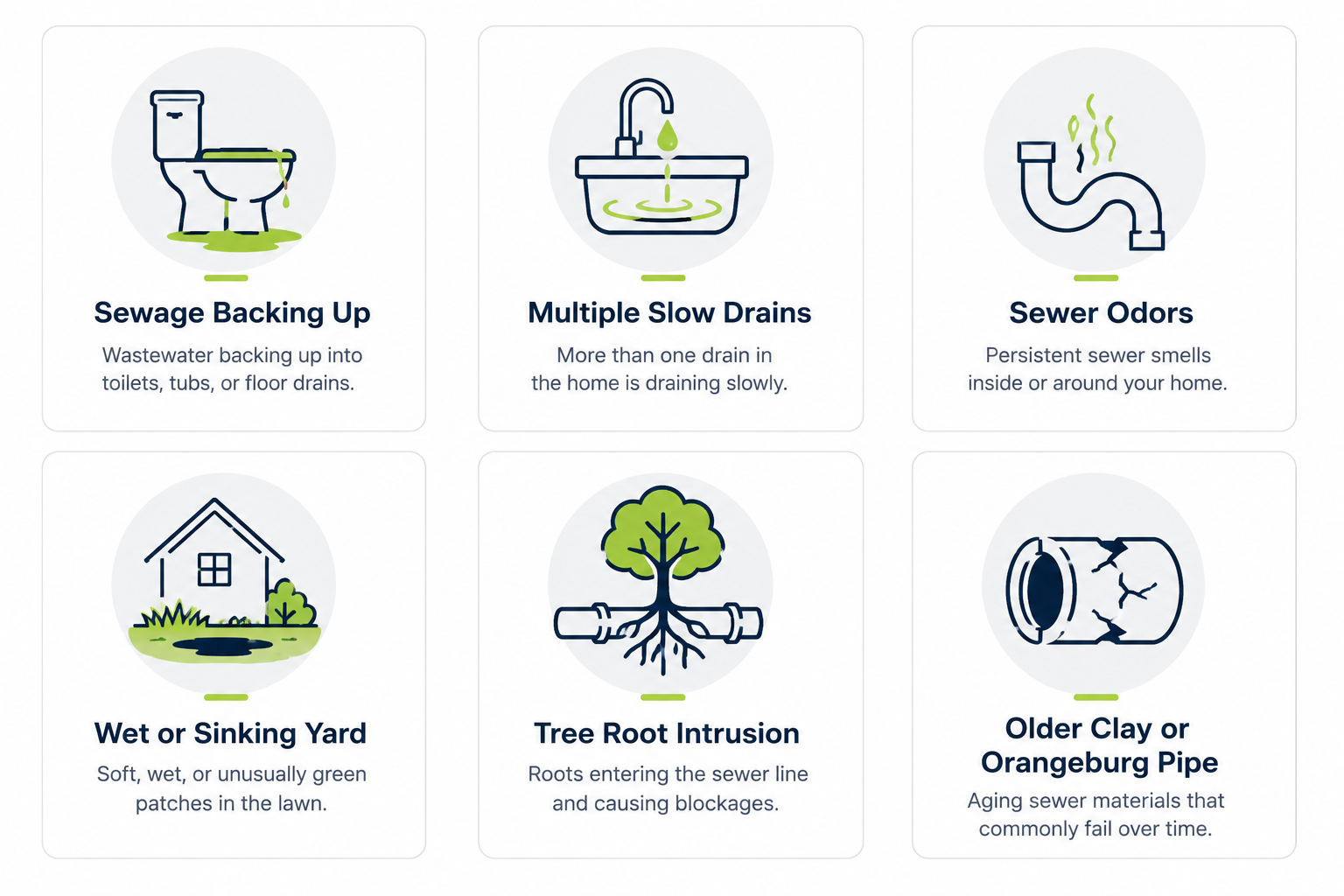
Common Signs of a Sewer Line Problem
- Sewage backing up into your home
- Multiple slow drains
- Sewer odors
- Wet or sinking areas in the yard
- Tree root intrusion
- Older clay or Orangeburg pipe
Start With the Sewer Line. Not the Solution.
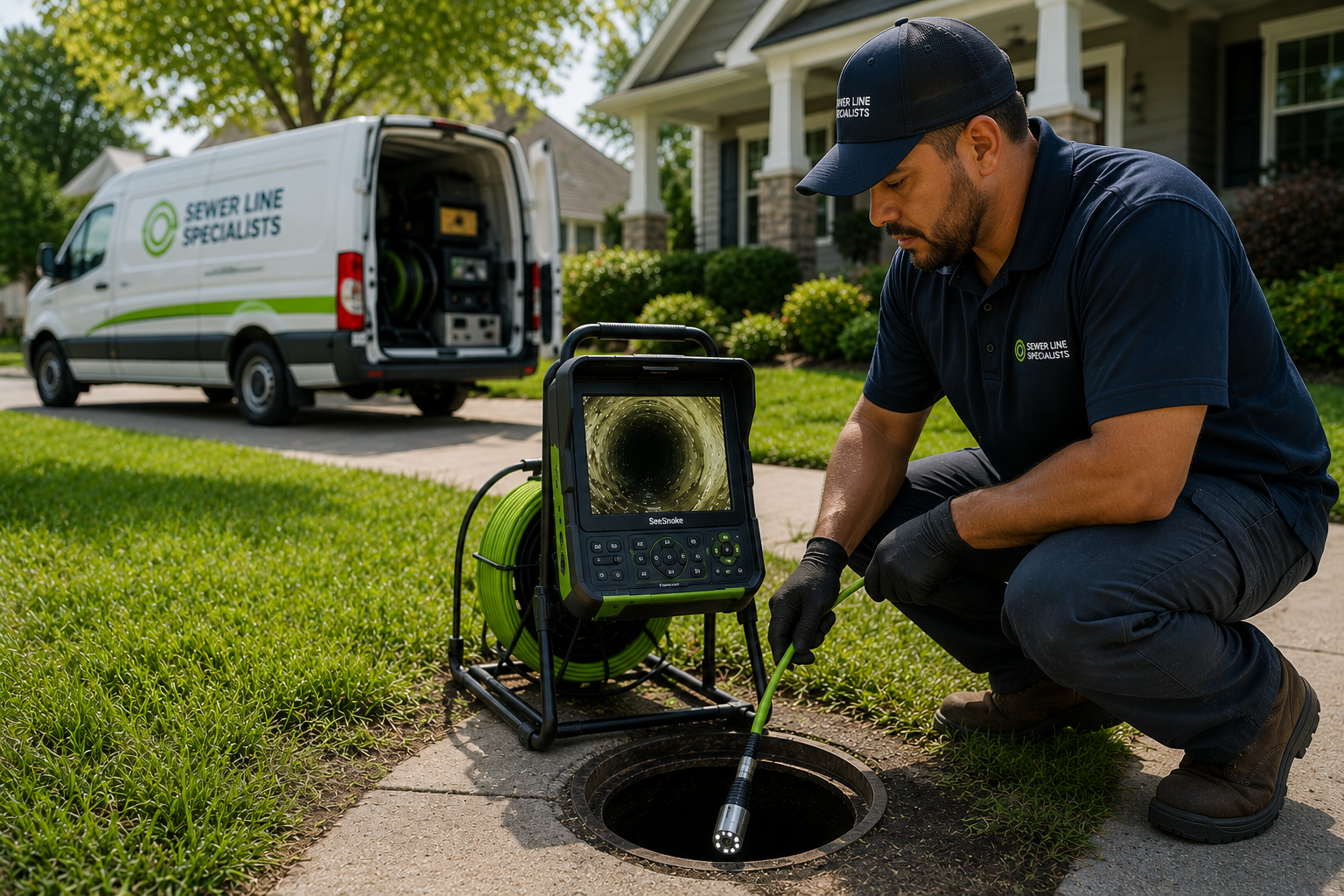
One Team Responsible for Your Project
Sewer line repair and replacement can require camera inspection, excavation or trenchless equipment, permits and restoration of affected areas. ImproveSource helps define the work and arrange qualified sewer and excavation partners to complete the approved project. We remain involved with scheduling, communication and completion so you have a clear point of contact throughout the job.
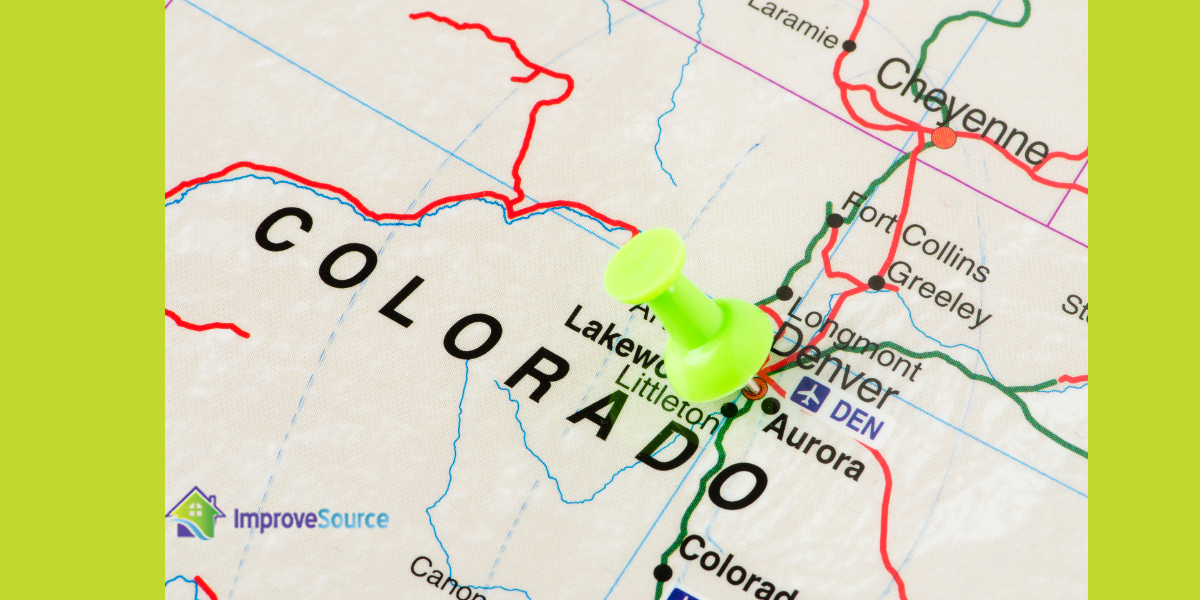
Sewer Line Repair & Replacement Across the Denver Metro Area
ImproveSource provides residential sewer line repair and replacement throughout Denver and surrounding Front Range communities. We help property owners evaluate sewer line problems, understand repair and replacement options, and determine the appropriate approach based on the condition of the line and the property.
Denver Metro Sewer Line Service Area
Our service area includes Denver, Lakewood, Littleton, Englewood, Centennial, Highlands Ranch, Aurora, Arvada, Wheat Ridge, Golden, Westminster, Thornton, Northglenn, Broomfield, Commerce City, Parker, Castle Rock, Brighton, Louisville, Lafayette, Erie, and surrounding communities.
Local Experience Matters With Sewer Lines
Properties throughout the Denver metro area vary significantly in age, sewer pipe materials, soil conditions, tree coverage, and access. Older homes may have clay or cast-iron sewer lines, while the location and condition of the line can affect whether traditional excavation, trenchless replacement, or a localized repair is appropriate.
Sewer Line Repair or Replacement? It Depends on the Problem.
The right solution depends on what is actually happening in the line. Some problems may be localized or otherwise repairable without replacing the entire sewer line. More extensive deterioration, damage, collapse or other conditions can make replacement the appropriate solution.
When Repair May Make Sense
A repair may be appropriate when the problem is limited enough that the affected portion can be corrected without replacing the entire line. The location, condition and extent of the problem all matter.
When Replacement May Make Sense
Replacement may be appropriate when damage or deterioration is more extensive, when sections of the line have failed, or when the condition of the existing line makes a more limited repair impractical.
The goal isn’t to avoid replacement when it’s necessary. It’s to understand why it’s necessary before you pay for it.
The Right Approach Depends on the Sewer Line
When work is needed, the appropriate method also depends on the condition, location, access and scope. Trenchless methods can reduce the amount of excavation required in some situations, while other sewer problems require direct access through traditional excavation.
ImproveSource does not start with a preferred method. We evaluate the sewer line problem first, then explain which repair or replacement approach makes sense for your property and why.
How Much Does Sewer Line Repair or Replacement Cost in Denver?
There isn’t one meaningful price for sewer work because the scope can vary dramatically. Repairing a localized problem is a very different project from replacing a longer section or full sewer line.
Factors that can affect the cost include:
- Location and depth of the sewer line
- Length and extent of the damaged section
- Pipe condition
- Accessibility of the sewer line
- Repair versus replacement
- Whether trenchless methods are appropriate
- Excavation requirements
- Permits and project requirements
- Restoration of landscaping, concrete or other affected areas
That’s why understanding the condition of the line before approving a major replacement matters.
Before You Approve an Expensive Sewer Line Replacement
Ask what evidence supports the recommended work. You should understand where the problem is, how much of the line is affected, whether repair is a reasonable option, why replacement may be necessary and what the quoted scope includes.
ImproveSource helps you evaluate those questions before the work begins so you can make the decision based on the condition of your sewer line, not simply the first solution proposed.
Already Have a Sewer Replacement Quote?
A large sewer-line quote is worth understanding before you commit. If another company has already scoped the line, ImproveSource can review existing camera footage and information about the proposed work. If additional evaluation is appropriate, we can help coordinate that as well.
The purpose of a second opinion isn’t to promise that replacement isn’t necessary. It’s to help you understand the problem, the proposed solution and whether the scope makes sense.
What Happens When You Contact ImproveSource?
1. Tell Us What’s Going On
Tell us what you’ve noticed, what you’ve already been told and whether you have camera footage, an inspection report or another contractor’s estimate.
2. Inspect or Review the Line
We can perform or coordinate a sewer scope/camera inspection or review existing footage to better understand the condition of the line.
3. Understand Your Options
We explain whether repair or replacement makes sense and discuss the appropriate approach based on the condition and scope.
4. Decide How to Move Forward
You’ll understand what we recommend, why we recommend it, what the work includes and what it will cost before you approve the project.
Understand Your Sewer Line Before You Decide What to Do
Denver Sewer Line FAQs
How do I know whether my sewer line needs repair or replacement?
A sewer line problem does not automatically mean the entire line needs to be replaced. The right solution depends on the location and extent of the damage, the condition and material of the pipe, and whether the problem is isolated or affects a larger section of the line. A sewer scope or camera inspection can help identify the problem so repair and replacement options can be evaluated.
How much does sewer line replacement cost?
The cost of sewer line replacement varies based on the length and depth of the line, pipe condition, access, excavation requirements, whether trenchless methods are appropriate, and the amount of property restoration required. ImproveSource provides a clear scope and price after evaluating the specific conditions of your property.
What is trenchless sewer repair or replacement?
Trenchless sewer replacement uses methods designed to repair or replace a sewer line while reducing the amount of open excavation required. It can help minimize disruption to yards, landscaping, driveways and other surfaces, but it is not appropriate for every sewer problem. The condition and configuration of the existing line determine whether a trenchless approach makes sense.
Should I get a second opinion before replacing my sewer line?
If you've been told you need an expensive sewer line replacement and you're uncertain about the recommendation, a second evaluation can be worthwhile. Ask to see the evidence supporting the proposed work, including where the problem is located, how much of the line is affected and why repair or a less extensive solution is not appropriate.
Can tree roots damage a sewer line?
Yes. Tree roots can enter sewer lines through cracks, failed joints and other openings, where they can restrict flow and contribute to recurring backups. Root intrusion does not necessarily mean the entire sewer line needs replacement. The condition of the pipe and extent of the damage should be evaluated before determining the appropriate solution.
How long do clay sewer pipes last?
Clay sewer pipe can remain functional for many decades, but age alone does not determine whether it needs replacement. Joint separation, cracks, root intrusion, shifting soil and other conditions can affect an older clay line. A sewer scope can help determine its current condition and whether repair or replacement is warranted.
What happens to my yard during sewer line replacement?
That depends largely on the replacement method and where the sewer line runs.
The amount of disruption depends on the location of the sewer line and the replacement method. Traditional excavation requires access to the pipe from above, while some trenchless methods can reduce the amount of digging required. Before work begins, the scope should identify where excavation is expected and what restoration is included.
Can you replace a sewer line during winter in Colorado?
Sewer line work can often be completed during Colorado winters, but weather, frozen ground, site access and the type of work required can affect the project. The conditions at the property should be evaluated to determine the appropriate method and timing.
Does homeowners insurance cover sewer line replacement?
Sometimes, but standard homeowners insurance often does not cover deterioration or routine failure of the sewer service line itself. Some homeowners have separate service-line coverage that may cover certain underground utility-line failures. Sewer or water-backup coverage is different: it generally addresses damage caused by sewage or water backing up into the home rather than automatically paying to replace the failed sewer line.
Coverage depends on the cause of the damage and the specific policy and endorsements. Before assuming a project is or isn’t covered, homeowners should contact their insurance carrier and review their policy.
How long does sewer line replacement take?
The timeline depends on the length and depth of the sewer line, access, replacement method, permitting, site conditions and any restoration required. Once the problem and scope are established, ImproveSource can explain the expected project schedule before work begins.
Who is responsible for the sewer line from the house to the street?
Responsibility can vary by property and local utility rules. In many cases, the property owner is responsible for at least some portion of the sewer service line connecting the home to the public sewer main. Before approving work, confirm where the problem is located and which portion of the line is the property owner's responsibility.
Does homeowners insurance cover sewer line replacement?
Coverage depends on your insurance policy and what caused the sewer line damage. Standard homeowners policies may exclude some sewer line failures, while certain policies or endorsements may provide service-line coverage. Review your specific policy or ask your insurance carrier whether the cause and location of the damage are covered.