
Multifamily capital planning is rarely limited by the number of possible projects. The harder problem is deciding which projects should happen first.
Windows, exterior repairs, unit renovations, lighting, common areas and...
Multifamily capital planning is rarely limited by the number of possible projects. The harder problem is deciding which projects should happen first.
Windows, exterior repairs, unit renovations, lighting, common areas and deferred maintenance can all compete for the same capital. For 2027 planning, owners and operators need a way to rank those projects based on property condition, operational impact, resident experience and investment strategy.
This is not another budgeting checklist. It is a framework for deciding what deserves the budget.
Projects tied to active deterioration, water intrusion, safety or accelerating damage generally belong near the top of the list. Delaying a cosmetic project may affect appearance. Delaying a building-envelope problem can expand the eventual scope.
Walk the property and separate issues into immediate, near-term and discretionary categories. Document what is happening, where it is occurring and whether the condition is getting worse.
Not every property need is a value-add project. Some work protects the existing asset; other work improves marketability, resident experience or operating performance.
Both can deserve capital. The distinction simply helps ownership understand why the project is being considered and how success should be measured.
Resident-facing improvements can affect the daily experience of the property. Windows that are difficult to operate, poorly maintained entries, deteriorated exteriors or outdated common areas may influence satisfaction even if they do not appear on a rent roll spreadsheet as a separate line item.
Resident impact should be considered alongside financial return, especially when multiple projects have similar urgency.
Kitchen, bathroom, flooring, lighting and other interior improvements can support a value-add strategy, but the scope should match the property's market and ownership plan.
Before rolling a package across dozens of units, test assumptions. Define the standard scope, understand material availability and determine whether the work will happen at turnover or in occupied units.
Windows and exterior improvements can affect appearance, maintenance and resident comfort while also requiring significant capital and coordination.
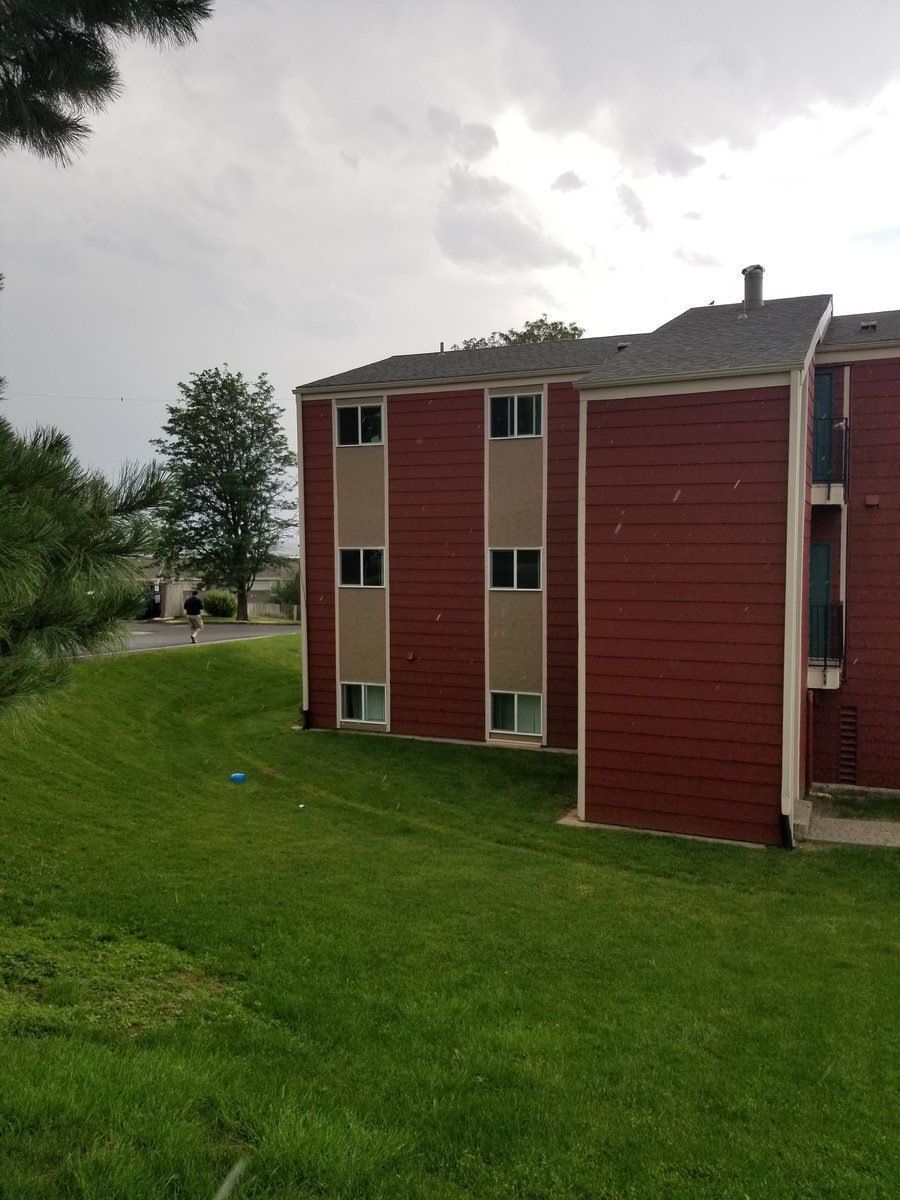
For window projects, evaluate failure rates, age, operating condition, water issues, product consistency and whether phased or property-wide replacement makes more sense. If replacement is under consideration, our multifamily window replacement resources can help define the scope.
Siding repairs, exterior painting, entries and other visible improvements can protect the property while improving first impressions. Prioritize underlying repairs before cosmetic finishes so new work is not covering unresolved conditions.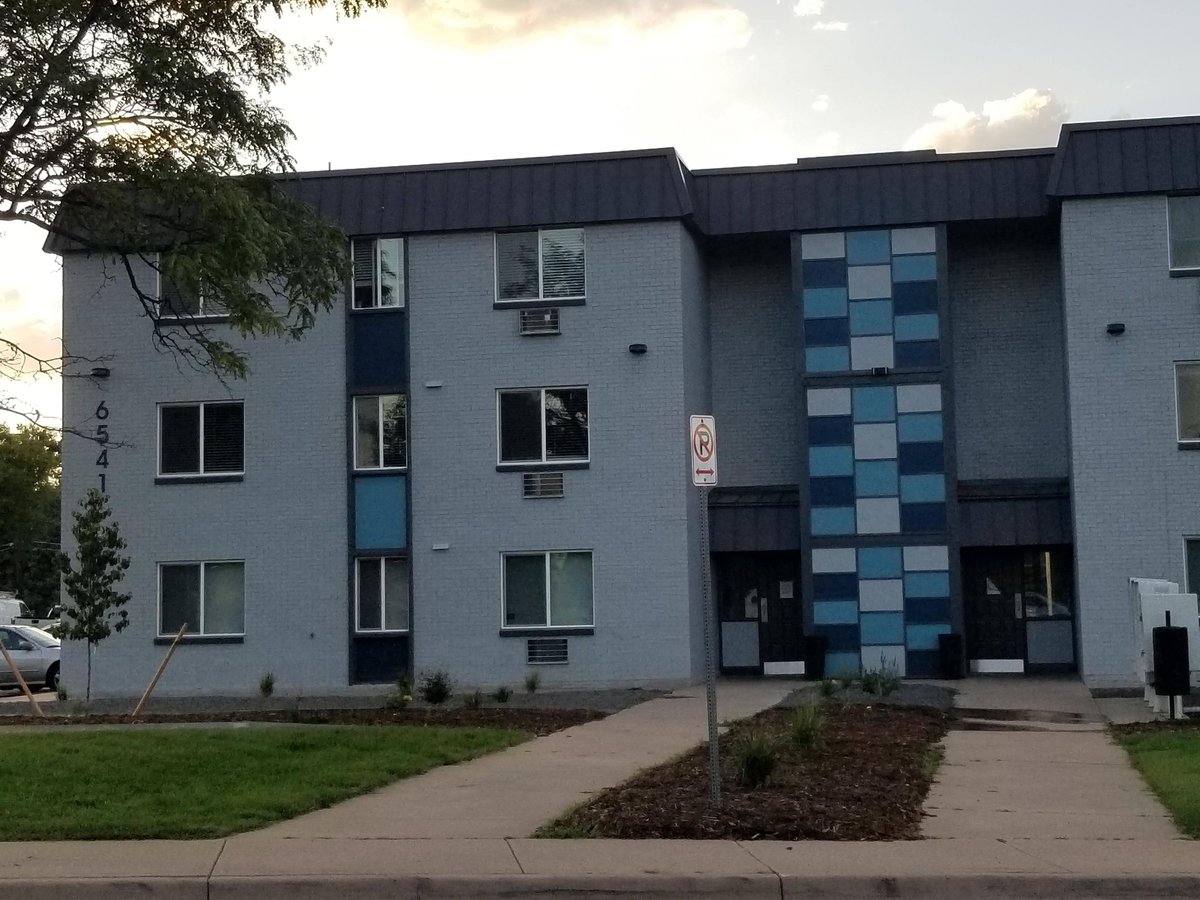
When multiple exterior trades are needed, consider whether combining them can reduce repeated mobilization or duplicated access work.
Exterior and common-area lighting can support visibility, resident experience and the overall appearance of the property. Evaluate where lighting is inadequate, outdated or maintenance-intensive and whether upgrades can be coordinated with other exterior work.
Entries, corridors and shared spaces are experienced by many residents and prospects, which can make them high-impact projects even when the square footage is relatively small.
Focus on improvements that solve a real property need rather than upgrading simply because a space looks dated.
A project can make financial sense and still be difficult to execute at the wrong time. Consider resident access, seasonality, parking, material staging, leasing activity and other work already scheduled at the property.
Occupied renovations require especially careful sequencing. Planning resident communication and access before work starts can prevent delays later.
If windows, exterior repairs, painting and lighting affect the same buildings, there may be advantages to planning them together even if they are not all completed simultaneously. A coordinated plan can identify dependencies and avoid undoing or damaging recently completed work.
Bundling should be based on operational logic, not simply on making the project larger.
For each proposed project, score or discuss five factors: urgency, asset protection, resident impact, value-add potential and execution complexity. Then consider budget and timing.
This gives ownership and property management a common framework for discussing why one project should move ahead of another.
Once projects are ranked, the next step is defining enough scope to obtain useful pricing and schedule the work. Identify quantities, materials, property constraints, access requirements and desired completion timing.
ImproveSource works with multifamily owners, operators and property managers across Denver and the Front Range to move property improvements from early planning through scope, materials, trade coordination and completion.
Planning 2027 capital improvements? Talk with ImproveSource about your property priorities and project scope.