
For Denver apartment owners, energy improvements are no longer just a question of lowering utility bills. The city's Energize Denver program introduces building-specific performance obligations that can influence capital...
For Denver apartment owners, energy improvements are no longer just a question of lowering utility bills. The city's Energize Denver program introduces building-specific performance obligations that can influence capital planning, maintenance priorities and the timing of renovations.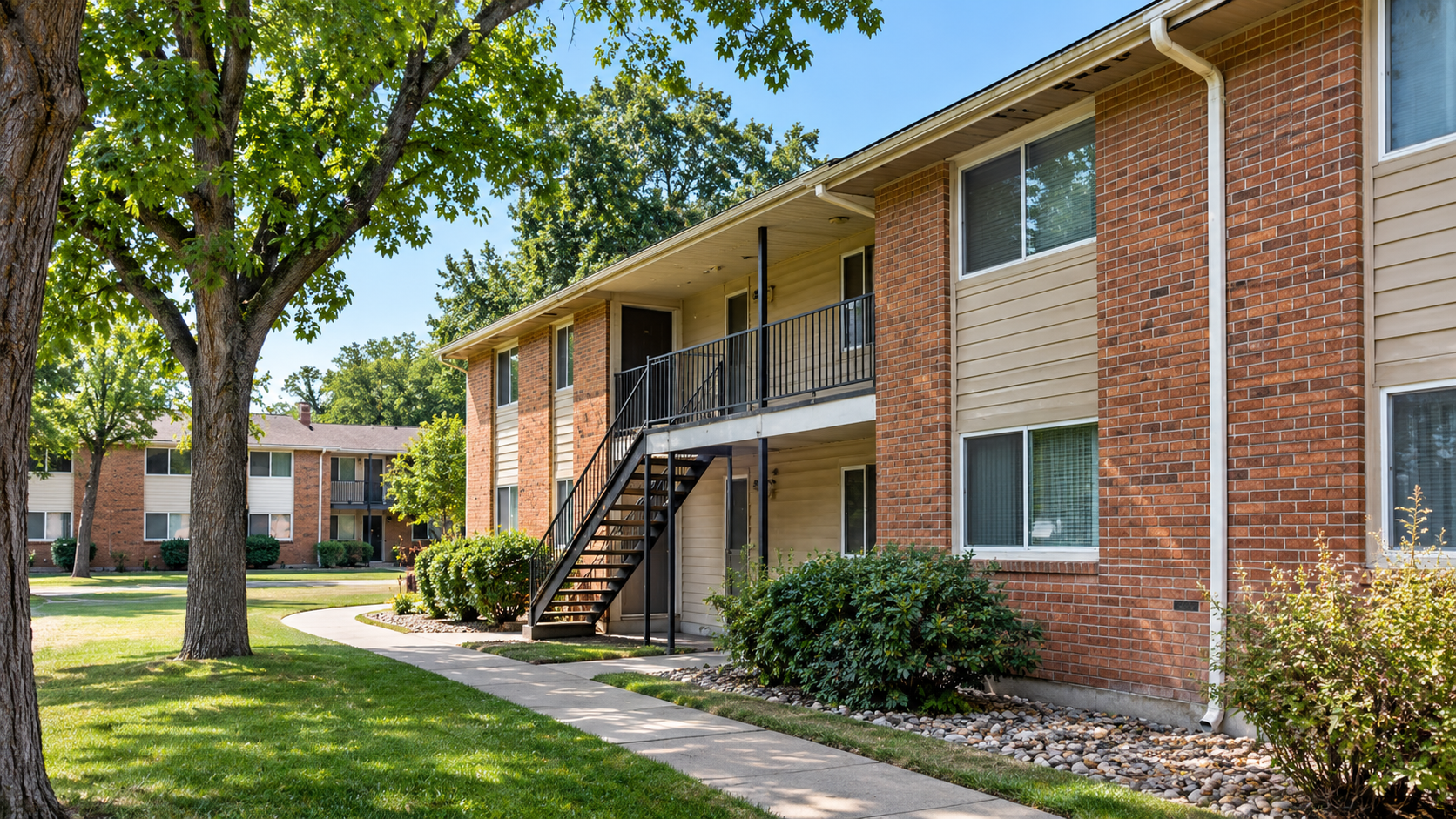
What Is Energize Denver?
Energize Denver is a City and County of Denver program designed to reduce energy use and greenhouse gas emissions from existing buildings. It establishes requirements for covered commercial and multifamily properties. What an owner needs to do depends on the building's size, use, energy performance and applicable compliance pathway. Start with the City's current guidance rather than assuming every property has the same deadline or must install the same equipment.
Which apartment buildings should review the rules?
Begin by confirming whether the property is covered, the building's reported square footage and its classification in the City's records. Requirements differ for smaller and larger covered buildings, and a multifamily portfolio can contain buildings that fall into different categories. Review prior benchmarking submissions, any notices from the City and records of past energy improvements. If the classification or compliance path is unclear, seek advice from an appropriate energy or compliance professional.
Translate the requirement into a property plan
A regulatory target is not a construction scope. First identify the performance gap, if any. Then compare potential measures using estimated energy impact, installed cost, remaining equipment life, resident disruption and maintenance benefit. This prevents a property from replacing windows or lighting simply because those projects sound energy-efficient, without knowing whether they address the actual objective.
Where LED lighting can fit
Lighting is often a sensible place to assess energy consumption because fixtures and operating hours can be inventoried. For certain smaller buildings, a qualifying LED lighting pathway may be available, but it involves specific building-wide criteria and documentation. Replacing a handful of hallway lights should not be treated as automatic compliance. Read our apartment LED lighting planning guide for a practical starting checklist.
Windows and the building envelope
Drafty windows, damaged seals, air leaks and deteriorating siding can affect comfort and operating costs. Whether these improvements make sense depends on building condition and the results of a qualified assessment. Window replacement is not universally required by Energize Denver. Owners considering upgrades can review our guides to multifamily window replacement and building envelope improvements.
Coordinate work in occupied communities
Even a well-selected project can become expensive when access, resident notices, material lead times and trade sequencing are overlooked. Grouping similar work by building or unit type, documenting installation standards and planning weather contingencies can help reduce disruption. Where window, siding and other projects overlap, consider whether coordinated mobilization makes sense.
Questions to answer before requesting bids
- What specific requirement or property problem are we addressing?
- What evidence supports the proposed improvement?
- Which buildings and units are included in the scope?
- How will the work affect residents and ongoing operations?
- Who will document energy performance or regulatory compliance?
Planning improvements for your multifamily property?
Whether you're planning window replacements, exterior repairs, or broader apartment improvements, the challenge is knowing which projects to prioritize, how to manage costs, and how to coordinate the work without unnecessary disruption to residents.
Start with a conversation about your property's condition, priorities, and budget. Explore practical multifamily improvement options and determine the next steps for your property.
Requirements and deadlines can change. Confirm current obligations with the City and qualified professionals before making compliance decisions.